10 Simple Ways to Detox Your Home
Is Your Home Working Against Your Health?
A conversation with a longtime client who has become a dear friend inspired this three-part series: detoxing your home, your diet, and your beauty routine. Follow along for simple ways to support your body’s natural detoxification processes and reduce exposure to common toxins.
Small swaps, made over time, are my favorite way to sustain real change.
For people living with one or more autoimmune diagnoses, or any kind of overactive immune response, these home swaps can lift the toxic burden. The symptoms can look like acne, eczema, rashes, coughs, sleep problems, migraines, or brain fog. They're all over the map, and they're more connected to your home environment than most people realize.
Here's where to start.
DITCH THIS:
Synthetic fragrances - Those "clean" or "fresh" scents are made from chemicals that release VOCs (volatile organic compounds) into your air, causing headaches, breathing issues, and skin irritation. Cutting back on these products improves indoor air.
Plug-in air fresheners - These are among the worst offenders. They run continuously, which means constant exposure. The VOCs they release include benzene and formaldehyde, both linked to cancer.
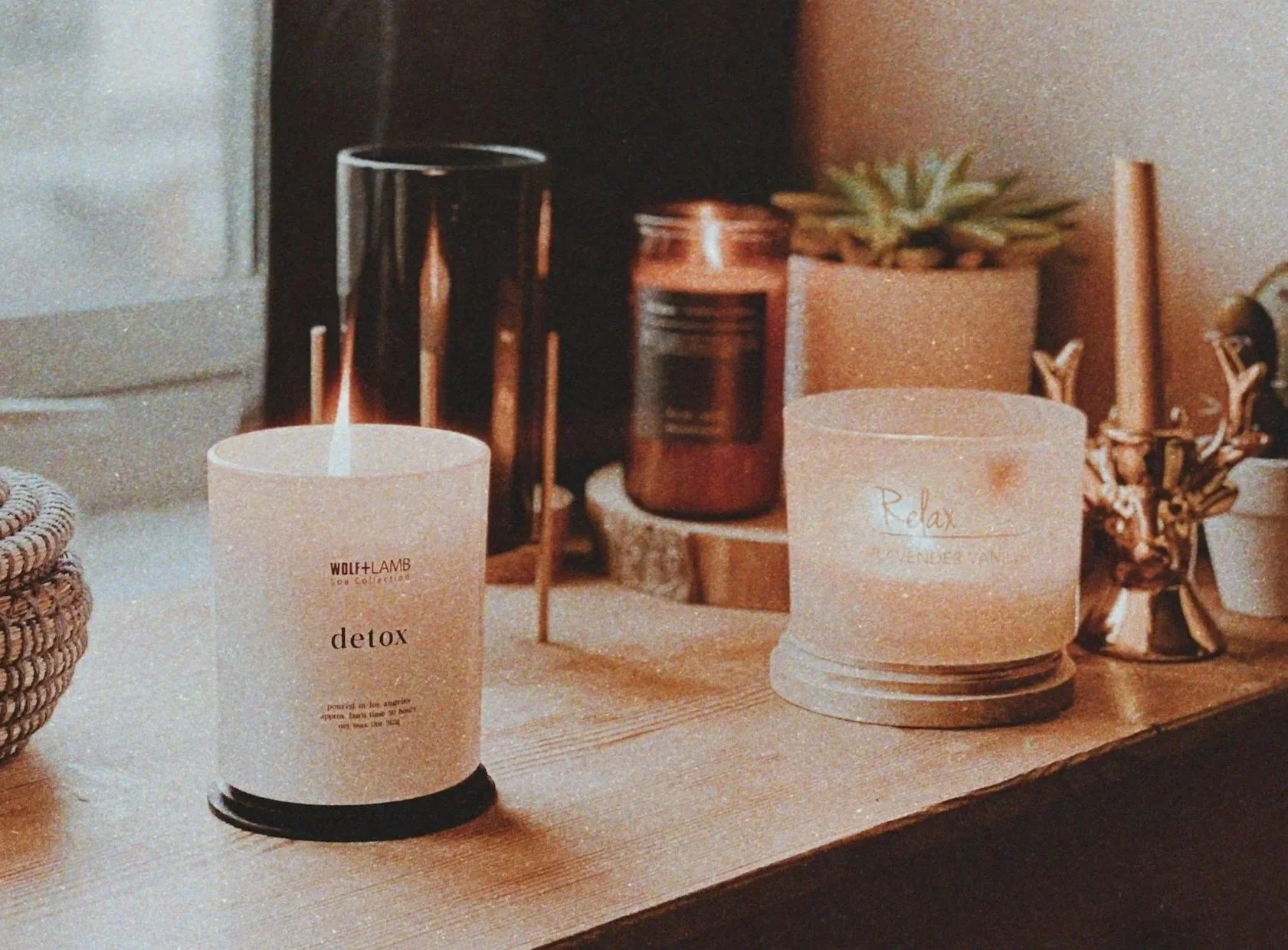
Scented candles - Many conventional candles release fragrance chemicals and combustion byproducts when burned, particles that settle in your lungs the same way secondhand smoke does.
Conventional cleaning sprays - You don't need a different strong chemical for every surface in your house. Most contain the same VOCs and irritants, just in different packaging.
Harsh disinfectants - Bleach, ammonia, and antibacterial wipes kill bacteria, including the beneficial microbes on your skin and in your home. Save these for when you truly need them.
Fabric softeners and dryer sheets - You can live without any of these. We are so conditioned to smell like chemicals. Get used to the smell of cotton and nothing else. Clean shouldn’t need a scent.
Nonstick cookware with questionable coatings - These are the biggest forever-chemical offenders in your home. PFAS persist in the environment and can remain in the body for years. If your cookware has a nonstick coating, it likely contains PTFE, better known as Teflon. Don't donate these. They belong in the landfill.
Plastic food storage -These all HAVE TO GO! Plastic can be a source of chemical exposure, particularly when food is heated in it. These plastics contain estrogen-mimicking hormones. These grow breasts on both boys and men, while also feeding cancers.
Fragranced laundry detergents - Anything on your skin can be absorbed into the skin. Your clothes sit against your skin for hours, making laundry products an easy exposure to reduce.
Pesticide-heavy household products - Mothballs contain pesticides such as naphthalene or paradichlorobenzene. Ant spray, bug spray - if it kills bugs, it also can harm your pets, kids and you!
Fungicides/mildew treatments - Fungicides and mildew treatments used to control mold or fungi are regulated as pesticides. The same goes for garden and indoor plant insecticides, whether sprays, systemic treatments, or granules. Anything you spray in your home finds its way into your lungs.
CHOOSE INSTEAD:
Fragrance-free or naturally scented products like essential oils in a diffuser.
Candles that are fragrance-free or made from beeswax
Simple cleaning ingredients - Method, Mrs. Meyers, or simple home products like vinegar, baking soda, citric acid, and regular dish soap
Glassware for storage and reheating
Stainless-steel bowls and glassware for preparing meals.
Safer cookware - stainless steel, copper cookware lined with stainless steel, and ceramic that is certified to be lead free
Swap out all utensils for natural wood or stainless steel
Wool dryer balls - these can be enhanced with organic essential oils
Cedar blocks or sachets instead of mothballs, and diatomaceous earth or essential oil-based sprays for general pest control.
For mold and mildew, choose hydrogen peroxide, citric acid, or white vinegar-based sprays instead of fungicide treatments.
Bonus - A HEPA filtration system or improved ventilation makes every swap on this list work harder. Clean air is the foundation.
What you bring into your home matters.
Small swaps make a big difference. You don't have to replace everything overnight. Reducing your toxic load isn't about perfection. It's about progress..
If you're navigating an autoimmune condition or chronic illness, your environment is just one piece of the puzzle. Because your journey is uniquely yours, finding the other pieces takes more than one-size-fits-all tips. It takes someone who can see the whole picture. Schedule a free discovery call and find out if I'm that person for you.