What You Need to Know Before Eliminating Lectins
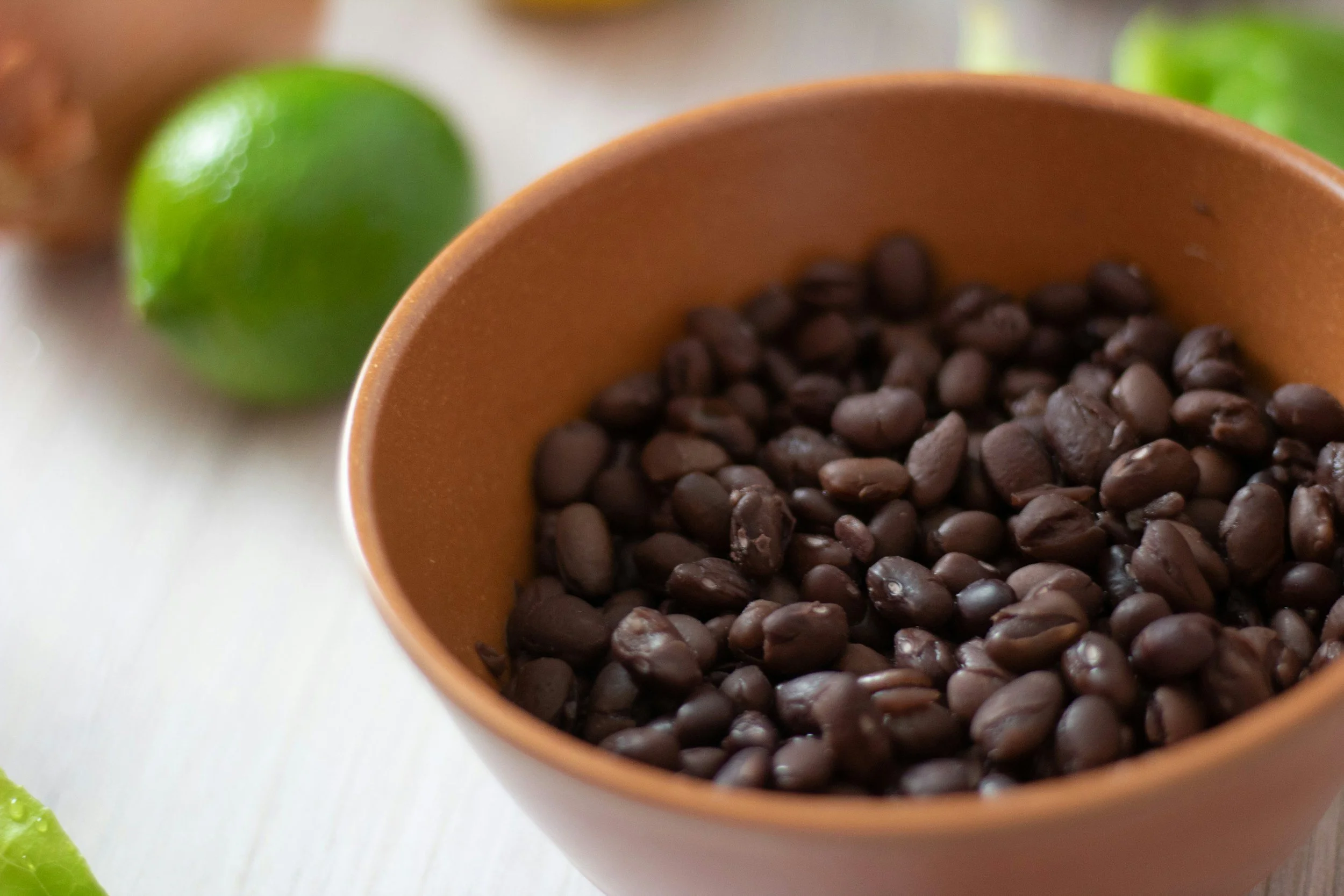
A look at lectins and what to consider before cutting them from your diet.
By this time, if you have ever opened Youtube, you have seen an ad by Dr. Gundry demonizing lectins. While Dr. Gundry brought lectins into the mainstream conversation, he did not discover them or establish that everyone should avoid them.
Dr. Gundry’s marketing addresses a paint point in our culture around food.
As a nutritional therapy practitioner, I believe our goal shouldn't be to fear food—it should be to understand it. While some people with compromised gut health or active autoimmune disease may temporarily benefit from reducing certain lectin-rich foods, that doesn't mean these foods are inherently unhealthy or should be eliminated forever.
Lectins are found in approximately 30% of the foods we eat:
whole grains
legumes
nuts
seeds
tomatoes
potatoes
peppers
eggplant
More than 500 different lectins have been identified in plants, animals, and microorganisms, each with different biological properties.
Prepping foods with lectins matters:
Proper cooking can reduce lectin content by 95–99% in many beans, making them much safer and easier to digest than when raw.
Soaking dried beans for 8–12 hours before cooking further reduces lectin activity, especially when the soaking water is discarded.
Pressure cooking is one of the most effective methods for inactivating lectins in beans and legumes.
Who needs to consider cutting lectins out for awhile?
People with active autoimmune disease may benefit from a temporary reduction while calming inflammation.
Those with leaky gut or impaired gut barrier function may tolerate fewer lectin-rich foods during healing.
People with IBS or digestive symptoms may feel better reducing certain foods temporarily while identifying triggers.
Individuals with active inflammatory bowel disease may need a lower-residue diet during flares.
Those recovering from gastrointestinal illness or surgery may temporarily benefit from easier-to-digest foods.
Traditional cultures have long soaked, sprouted, fermented, and slow-cooked lectin-containing foods to improve digestibility and reduce naturally occurring lectins. Sally Fallon helped bring renewed attention to these time-tested preparation methods, reminding us that many foods become more nourishing when prepared traditionally.
Your body is unique, and your nutrition plan should be too. Instead of chasing the latest diet trend, let's uncover what’s truly supporting your health.
If you're ready for personalized guidance to improve gut health, reduce inflammation, and feel your best, schedule your consultation today. Together, we'll create a plan designed for you, your body, and your health