Could Healthy Foods Be Slowing Your Healing?
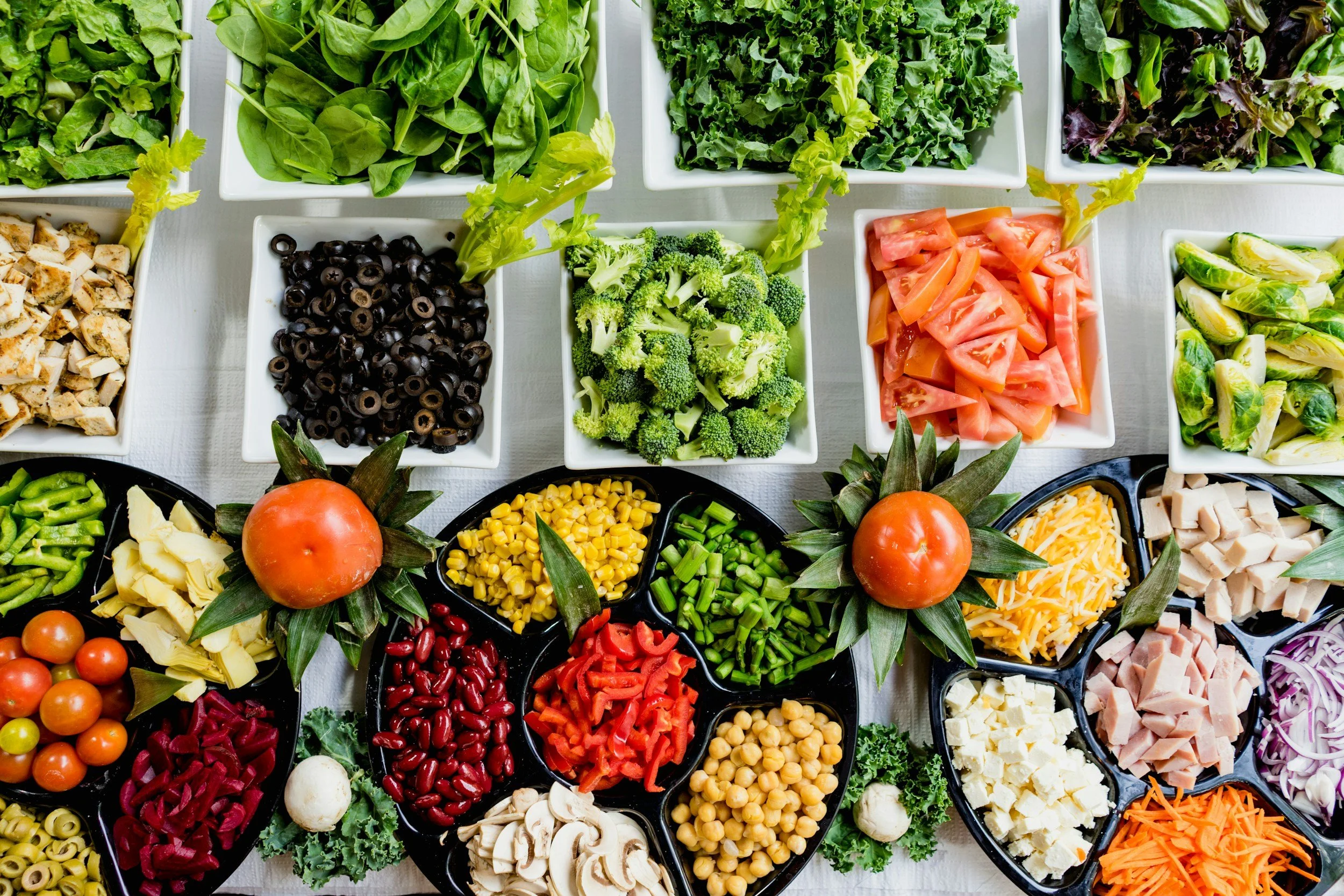
Why even nutrient-rich foods may not work the same way for every person.
If you have believed that kale and beans are foods you MUST eat in your diet, I have good news! Those foods don’t work for everyone.
There are some foods that, although they are healthy, can trouble a person’s healing journey.
Oxalates and lectins both can really aggravate certain people during their healing journey, even getting in the way of that journey.
Next week, I will break down lectins. both of these deserve clear information in bite size absorption.
Although both oxalates and lectins are naturally occurring compounds found in many plant foods, they are very different substances and affect the body in different ways. For most healthy people, they are not a problem. However, for some individuals—especially those with digestive disorders, autoimmune conditions, kidney stones, or certain sensitivities—they may contribute to symptoms.
What Are Oxalates?
Oxalates are naturally occurring compounds found in many fruits, vegetables, nuts, seeds, legumes, and grains. Your body also produces oxalates naturally.
Normally, oxalates bind to minerals like calcium in the gut and are eliminated in the stool. However, if too much oxalate is absorbed into the bloodstream, it can combine with calcium and form calcium oxalate crystals.
High-Oxalate Foods
Spinach
Swiss chard
Beet greens
Rhubarb
Almonds
Cashews
Sweet potatoes
Beets
Dark chocolate
Cocoa powder
Black tea
Buckwheat
Lower-Oxalate Alternatives
Kale
Romaine lettuce
Arugula
Cabbage
Broccoli
Cauliflower
Mushrooms
White rice
Apples
Blueberries
Mango
Chicken, beef, fish, eggs
People Who May Benefit from Lowering Oxalates
Individuals with recurrent calcium oxalate kidney stones
Those with fat absorption problems
Some people with inflammatory bowel disease
Individuals who notice symptoms after eating high-oxalate foods
Reducing Oxalate Absorption
Eat calcium-rich foods with meals
Stay well hydrated.
Avoid consuming very large amounts of high-oxalate foods daily.
Boiling certain vegetables can reduce their oxalate content because some oxalates leach into the cooking water.
This blog is a generalized breakdown on what foods can be aggravating to a person’s health when they have autoimmune or allergy issues or are struggling with a great deal of pain or digestive distress.
Typically, when we recover our health, foods that had troubled us for years can again be enjoyed. Talk to me about this!
Your healing journey deserves more than guesswork. If you're tired of doing "all the right things" but still don't feel your best, let's identify what's truly helping—or holding you back. Together, we'll create a personalized nutrition and lifestyle plan tailored to your body, your symptoms, and your goals.
Ready to take the next step? Click below to schedule your personalized nutrition consultation and start your path toward lasting health.