Pantry Detox Part 2: The Good Stuff
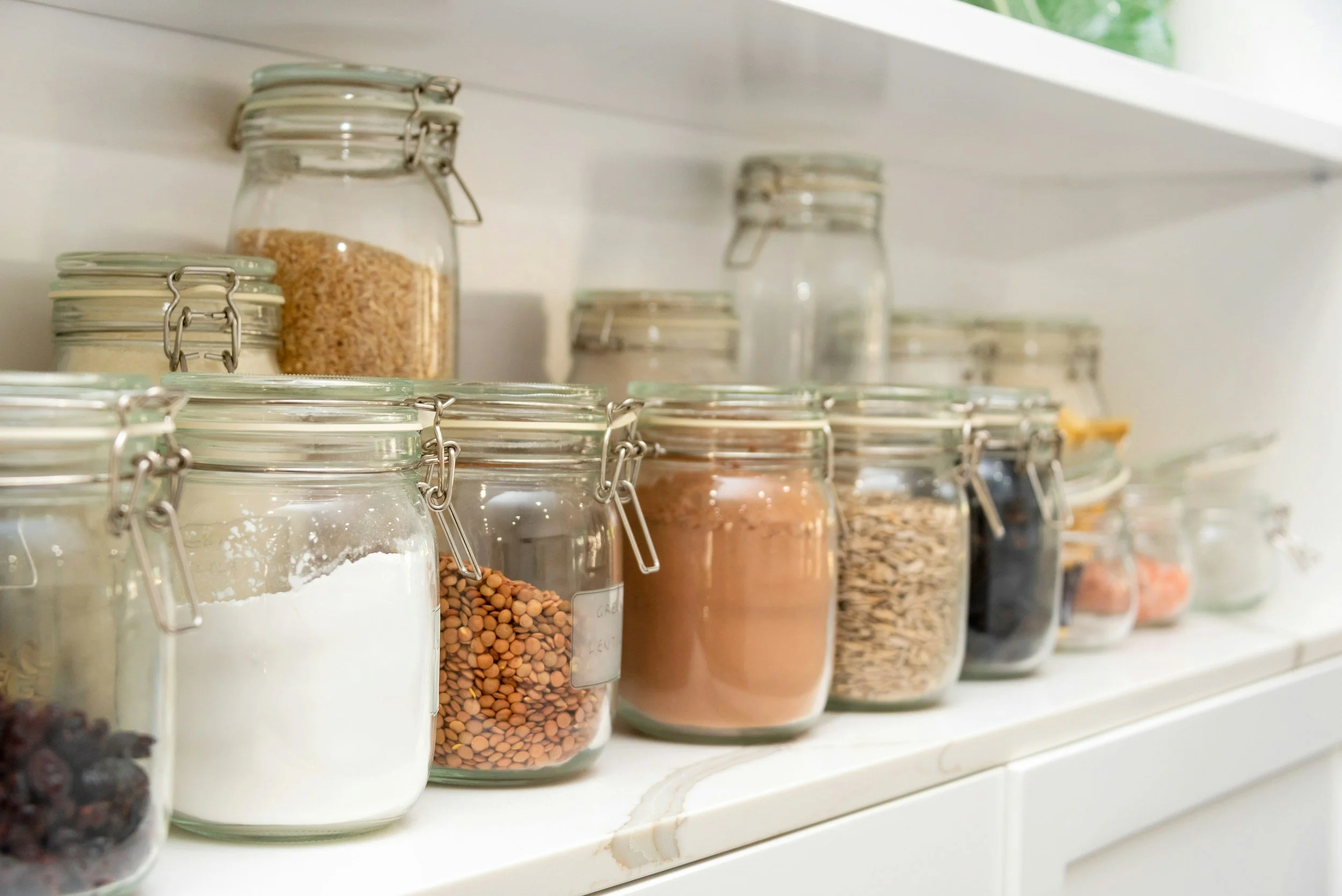
The Good Stuff: What Belongs in Your Kitchen
This is Part 2 of my pantry detox series. Last week we cleared out the worst offenders such as seed oils and other toxins. If you missed it, you can read it here. This week is the fun part. We get to stock back up with the good stuff.
A well-stocked kitchen with cleaner flour, sweeteners, oils, and other better-quality staples makes eating well much easier. And it’s not just about everyday meals—better ingredients also make your homemade breads, cookies, and other treats a healthier choice.
Three Cleanest Flour Swaps
Organic, non-GMO flour — A simple choice for reducing pesticide exposure.
Organic whole-grain flour — Less refined and naturally higher in fiber and nutrients.
Organic, freshly milled flour — Minimally processed and a great option for home baking.
Note: If you have ANY autoimmune problems, EVEN without a gluten sensitivity, get rid of ALL the gluten. Gluten increases inflammation in the body. SOURDOUGH isn’t enough of a change.
Three Cleanest Seed Oil Swaps
Avocado oil — Versatile and higher-heat friendly, with a mild flavor.
Grass-fed butter — A minimally processed traditional fat that's great for cooking and baking.
Coconut oil — A simple option for baking and certain cooking applications.
Your goal here is replacing highly refined seed oils with simpler, minimally processed fats.
Three Cleanest White Sugar Swaps
Raw honey — Naturally sweet and minimally processed; great for baking, dressings, and drinks.
Pure maple syrup — A simple, less-refined sweetener with a rich flavor.
Coconut sugar — Less refined than white sugar and an easy 1:1 baking substitute.
Your goal here is to choose more natural, minimally processed sweeteners while still using them in moderation.
Three Cleanest Conventional Milk Swaps
Organic coconut milk — A simple dairy-free option; choose unsweetened varieties with minimal ingredients.
Organic coconut cream — Rich and creamy, making it great for coffee, sauces, soups, and cooking.
Grass-fed heavy cream — Rich, minimally processed, and ideal for coffee, sauces, and cooking.
I chose coconut here twice for a few reasons:
The coconut is NEVER genetically altered.
The coconut is naturally high in antimicrobial agents to help the body clean out the wrong pathogens like candida.
The coconut fat is MY FIRST choice for a fat that feeds the brain well. Coconut fat is rich in medium-chain triglycerides (MCTs), which are more readily converted by the liver into ketones for energy. That makes coconut fat a popular choice for people following a lower-carb or ketogenic approach and looking to support fat-based energy.
Here are a few more swaps:
Table salt → Mineral-rich sea salt or Celtic salt
Conventional meat → Grass-fed/grass-finished meat
Conventional eggs → Pasture-raised eggs
Artificial sweeteners → Stevia or monk fruit
Conventional produce → Go all organic where possible.
Artificial food dyes → Naturally colored foods/spices
Ultra-processed snacks → Organic nuts, seeds, fruit, or whole-food snacks
I hate to be a killjoy here. However, nuts like almonds, if not organic, are one of the HIGHEST pesticide-soaked foods on the market. Be careful choosing your nuts!
I know this is a lot to keep track of at the store. That's exactly why I put together my free Pantry Swaps Guide. It goes deeper than this post, with specific brand recommendations so you know exactly what to reach for. Download it here.
If you missed the first post in this series, start with Toss the Toxins: A Simple Pantry Detox, then continue with Beauty Detox: 6 Things Stealing Your Glow for a look beyond the pantry at food and lifestyle choices that can affect your skin and hair.