Sugar and the Flu: The Very Real Connection Between Sweets and Sniffles
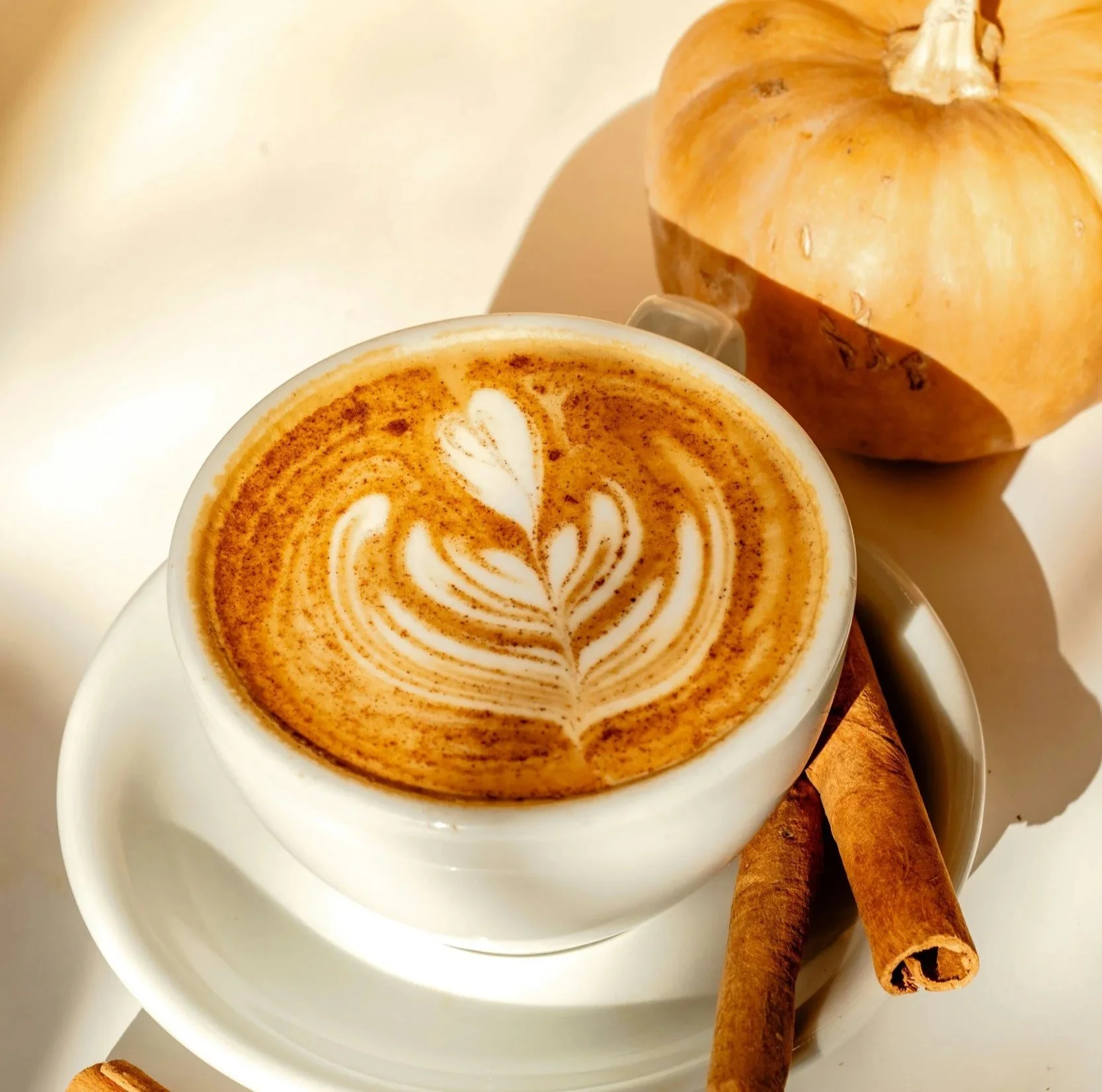
I’m old enough to remember when Starbucks came out with the seasonal latte that started the pumpkin spice craze. Now it’s spread to muffins, creamer, cereal, cookies, pancakes, and anything else that can be flavored.
Here’s the funny part. Pumpkin is good for you. Cinnamon, nutmeg, ginger, and clove are also good for you. The trouble is they usually come mixed with loads of sugar. Add Halloween treats and the start of holiday parties, and all that sugar can make us more likely to catch whatever’s going around this cold and flu season.
“One grande pumpkin spice latte has more added sugar than most women should have in an entire day.”
It’s not just sugar, it’s the season.
Here in San Diego, fall took its time. We were in the 90s just a few days ago, and now the mornings call for a sweater. Yo-yo weather, shorter days, and more time indoors mean less vitamin D, less exercise, and more cravings for comfort food. That alone has our immune systems working harder. Add more sugar to the mix, and they have even less to work with.
So how much sugar are we talking about?
A grande pumpkin spice latte has about 50 grams of sugar. Around 32 grams of that is added sugar, which is already more than the 25 grams the American Heart Association recommends most women have in an entire day. Throw in a pumpkin muffin, and you’re well past it before lunch.
What sugar does to your immune system.
The impact of sugar on your white blood cells is substantial. In one often-cited study, people who had 100 grams of sugar (about two lattes’ worth) saw their white blood cells’ ability to gobble up bacteria drop by about half within a couple of hours. Five hours later, they still weren’t back to normal. A latte in the morning, cookies in the afternoon, and dessert after dinner can keep your immune system running below full strength most of the day, right when everyone around you is coughing.
Sugar works against you in other ways, too:
It fuels inflammation. More inflammation can make aches and congestion feel worse when you do catch something.
It throws off your gut. Much of your immune system lives in your gut, and a steady diet of sugar feeds the wrong bacteria.
It doesn’t hydrate you. Sugary drinks don’t do the job water does, which matters when you’re trying to fight something off.
Keep the flavor.
You don’t have to give up fall flavors to keep the seasonal bugs at bay. A few small changes go a long way:
Keep the spice, lose the syrup. Stir cinnamon and nutmeg into your coffee at home, or ask for half the pumps. Save the full latte for a rare treat.
Use real pumpkin. A spoonful of canned pumpkin (just pumpkin, not pie filling) in oatmeal, smoothies, or yogurt gives you the flavor with fiber and vitamin A instead of sugar.
Eat protein first. A breakfast with protein and healthy fat keeps your blood sugar steady, so the muffin isn’t carrying your whole morning.
Make comfort food from whole ingredients. Soups and stews with beans, squash, and sweet potatoes are just as cozy and won’t spike your blood sugar the way pastries and white bread do.
Read labels. Pumpkin spice creamers, granolas, and “healthy” bars can be loaded with sugar. Watch for high fructose corn syrup, dextrose, maltose, and cane juice.
When the risk is higher.
If you live with an autoimmune condition or chronic illness, I know firsthand that this season can hit harder. Between the condition itself and the medications many people take for it, our bodies can have a tougher time fighting off infection, and getting sick can set off a flare. I’d love to help you build a nutritional defense plan against colds, the flu, and other threats to your immune system. Schedule a free 15-minute discovery call, and we’ll talk through what that could look like for you.
Next Week
Next week, I’m launching a new series: The Nutritional Blind Spot. More than 90% of Americans have nutrient deficiencies. I’ll walk you through some surprising research about this quiet epidemic and how to eat so your body actually absorbs the nutrients it needs.