Everyday habits that support recovery, resilience, and a healthy inflammatory response.
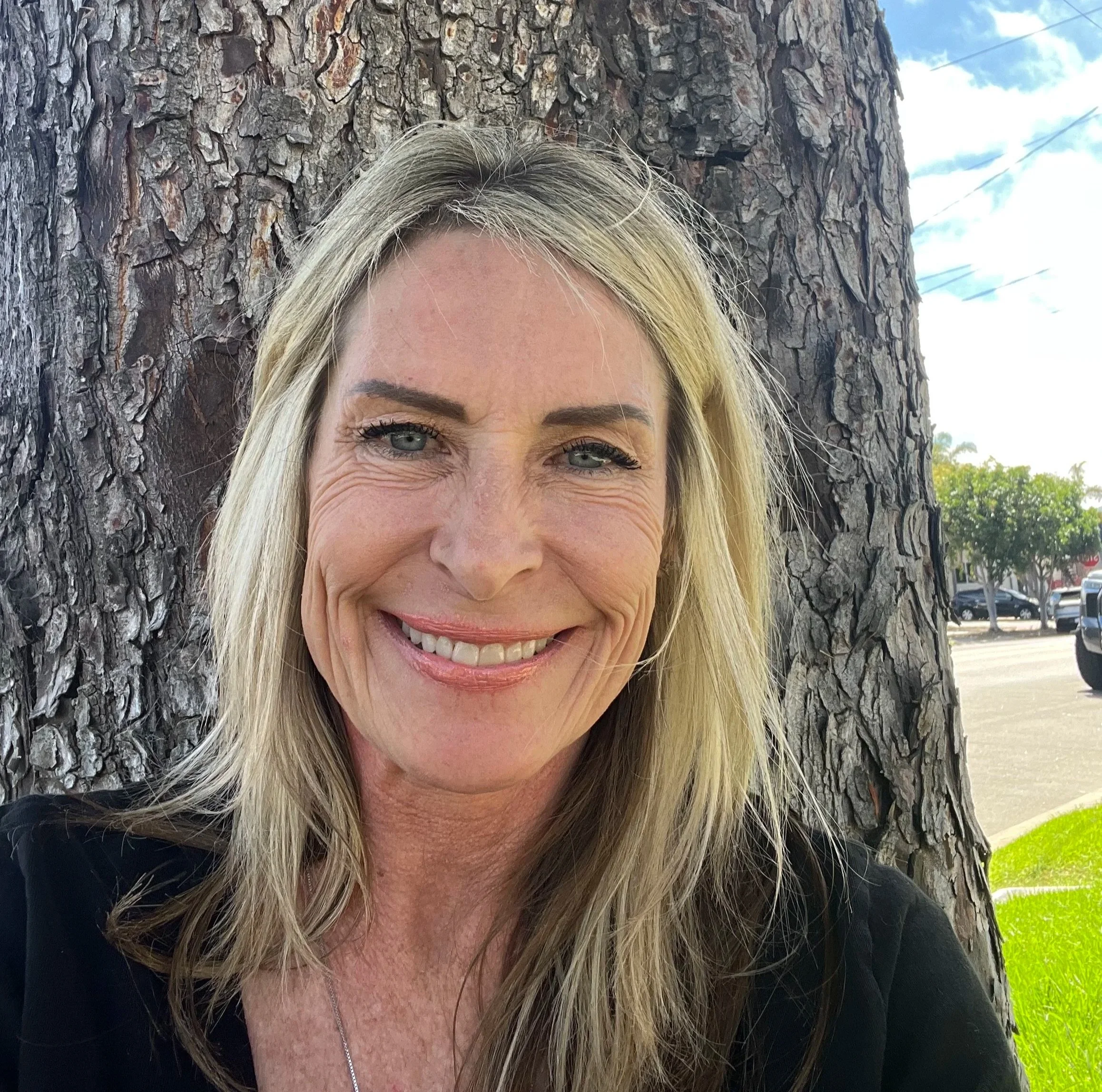
Here I am in the photo above sitting by a tree in the shade. Sitting is typically the LAST thing I would EVER choose to recover.
When I received my celiac diagnosis, I had been working weekly with a therapeutic stretcher, who also had a nutrition degree, physical therapy degree and did massage. Adam Winter was the first practitioner I found who didn’t suggest something that made me worse. The tiny miracle of finding a little relief gradually gave me the courage to trust him enough to try what he suggested.
Like many of my clients, I had done a lot of “my own research.”
The thing with research, is it is generalized. There is always a Bio-Individual component with ANY MODALITY. This means, many things we read about don’t work for EVERYONE. The other problem, is research can often contradict other research. This makes information overload a real problem with trying to recover at home.
When I would default back to my own life hacks of overexercising and other “busyness “ I would burn out again. Adam would hit me with the language in a way I needed to hear: “If you don’t rest, you will gain weight and lose muscle.”
As it turns out, sleep is the #1 need for EVERYONE, along with clean water, movement and healthy food.
Sleep
Sleep is when much of your body's repair and recovery takes place.
Benefits:
Supports healthy immune function
Helps regulate hormones
Promotes tissue repair and recovery
Reduces inflammation
Improves mood and mental clarity
Supports healthy blood sugar regulation
Enhances energy for the day ahead
Drink Clean, Filtered Water
The quality of your water matters. Clean water supports nearly every system in the body.
Benefits:
Helps transport nutrients throughout the body
Supports natural detoxification pathways
Promotes healthy digestion
Lubricates joints and tissues
Helps regulate body temperature
Supports kidney function
Improves energy and mental focus
*****If you’re drinking water all day and feeling dehydrated, your body isn’t absorbing the water into your cells. Message me about this if it’s your problem.
Movement
Gentle walking, stretching, or gentle strength training can support recovery.
Benefits:
Improves circulation
Supports lymphatic flow
Helps reduce stiffness
Builds and preserves muscle
Supports cardiovascular health
Improves insulin sensitivity
Boosts mood and resilience
Overexercising when your body is in survival mode has the OPPOSITE effect. This is why relaxing movement is the new normal for recovery.
Real Whole Foods
Food provides the building blocks your body uses to repair, restore, and protect itself.
Food is information. Your body’s needs for certain foods vary widely from anyone else’s.
Benefits:
Provides vitamins and minerals needed for healing
Supports a healthy gut microbiome
Helps regulate inflammation
Stabilizes blood sugar
Supports immune function
Promotes healthy hormone production
Fuels long-term energy and recovery
What you eat affects your inflammation either to improve or worsen. Every bite you eat affects how your body feels.
Your health is built on what you do every day.
Small, consistent habits can create meaningful change over time. If you're ready for a personalized plan to support recovery from chronic illness, inflammation, or autoimmune challenges, schedule your consultation today and let's build a strategy that's designed for you.